Elon Musk’s Latest SpaceX Timeline: Moon Base in a Decade, Mars Landing in Five Years
Elon Musk has laid out a new SpaceX timeline that includes astronauts back on the Moon within three years and a lunar base supporting thousands of residents within a decade.
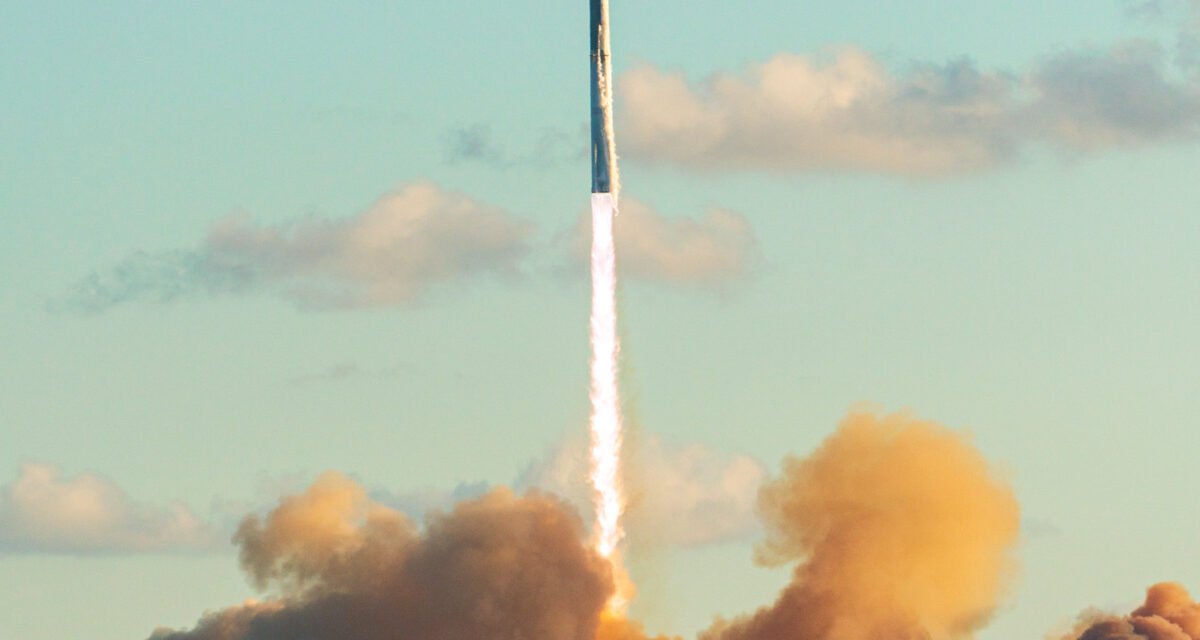
Elon Musk has laid out another far-reaching vision for SpaceX, saying the company could return humans to the Moon within the next few years and eventually move thousands of people beyond Earth. Speaking during an interview with Texas Governor Greg Abbott, Musk described plans that go far beyond short astronaut missions, including permanent settlements on the lunar surface and the first human journeys to Mars.
SpaceX hopes to send astronauts back to the Moon within the next two to three years, Musk said, after which the company would work toward expanding access beyond government-trained astronauts to ordinary people. He described a future in which a large lunar base could support thousands, or even tens of thousands, of residents and visitors within the next decade — acknowledging that the scale of the goal is difficult to compare with current space activity, since only a small number of people have ever travelled to the Moon, all during NASA’s Apollo programme more than five decades ago.
SpaceX’s Starship vehicle is central to these plans. The company has been developing the large, reusable spacecraft for missions beyond Earth orbit, designed to carry both cargo and passengers, though it is still undergoing testing and has yet to complete a crewed flight.
Musk also addressed SpaceX’s long-standing goal of sending humans to Mars, calling the journey considerably more difficult than reaching the Moon because of the distance and travel time involved. Despite that, he predicted SpaceX could send its first humans to Mars within five years, followed by transporting thousands of people to the planet over the following decade — part of his long-repeated argument that a Mars settlement could help make humanity a multi-planetary species.
Musk’s space ambitions have frequently come with aggressive deadlines that haven’t held up: he predicted humans could reach Mars within a decade more than ten years ago, and in 2017 SpaceX announced private passengers would fly around the Moon as early as 2018 — a mission that never happened. Alongside the human exploration plans, Musk said SpaceX is also expanding into space-based computing infrastructure, with the company planning to launch its first artificial intelligence satellites in the near future.



Leave a Reply