‘The Mountains Are Only as Dangerous as Your Ability to Rescue’: Inside Tiranga’s Mission
Tiranga Mountain Rescue, founded by mountaineer Hemant Sachdev, has scaled to 16 teams and 48 rescuers, cutting Indian soldier deaths at high-altitude postings to zero over three years.
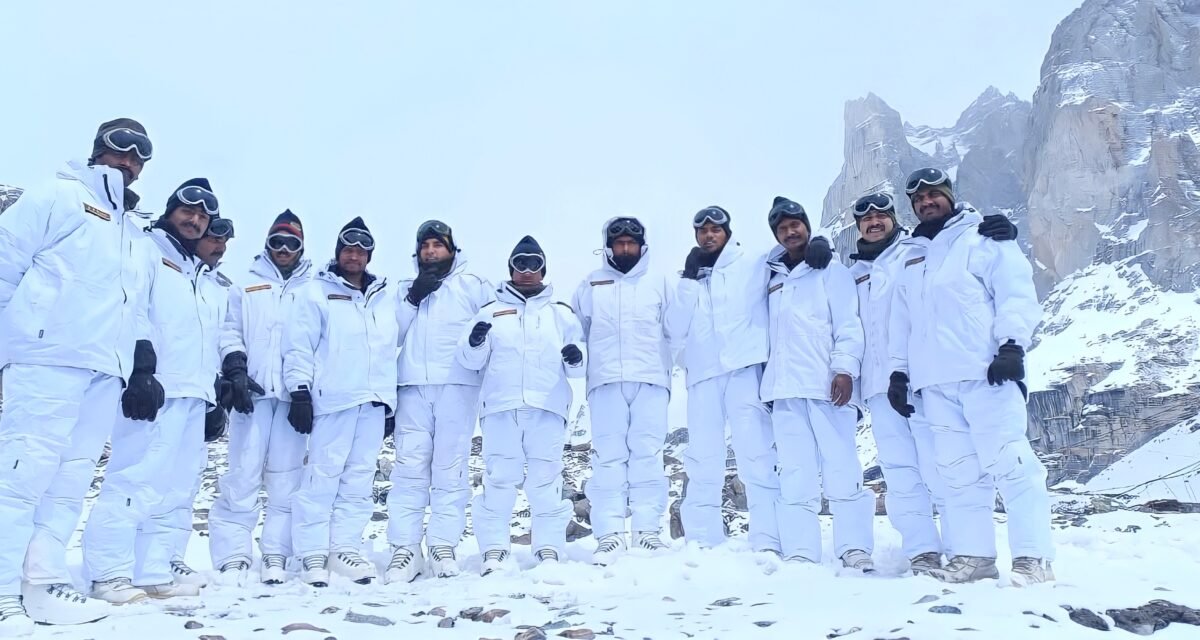
‘The most dangerous place in the mountains is only as dangerous as your ability to rescue.’ That’s the philosophy mountaineer Hemant Sachdev built into Tiranga Mountain Rescue, the civilian non-profit he founded in 2016 that now runs 16 teams and 48 full-time professional rescuers across India’s most extreme military postings.
The idea traces back to May 2013, when Sachdev fell into a crevasse on Mount Everest’s Khumbu Icefall and was saved by a fellow climber who noticed he had vanished from sight. Two years later, news of soldiers buried under an avalanche at Siachen — the world’s highest battlefield — pushed him to ask why the same kind of rescue that saved his life on Everest wasn’t reaching soldiers stationed in similarly brutal conditions.
His pitch for a civilian rescue foundation supporting the Indian Army initially drew scepticism, but Tiranga has since scaled to cover Siachen, Kargil, Tawang and Gurez. The results back the model: non-combat deaths at these postings, previously averaging 40-50 a year from avalanches, landslides and ailments, have fallen to zero over the past three years. Much of that comes down to prevention — last season, teams visited over 400 posts to map terrain, study weather patterns and train soldiers directly.
The organisation’s rescue record includes a 2022 mission in Tawang, where seven soldiers buried by an avalanche were found within hours of the team’s helicopter arrival, after a two-day search had turned up nothing, and a March 2026 response to an avalanche at Zoji La Pass that trapped 12 civilians in their vehicles.
Tiranga has also taken part in the 2024 Wayanad landslide rescue effort and the 2021 Uttarakhand glacier burst, extending its model of rapid, trained response beyond military postings into civilian disaster zones as well.



Leave a Reply