A23a is gone, but scientists say its melting fed an entire ocean ecosystem
As the world's largest iceberg, A23a, melted away, the freshwater it released carried nutrients that fed marine life across the ocean.
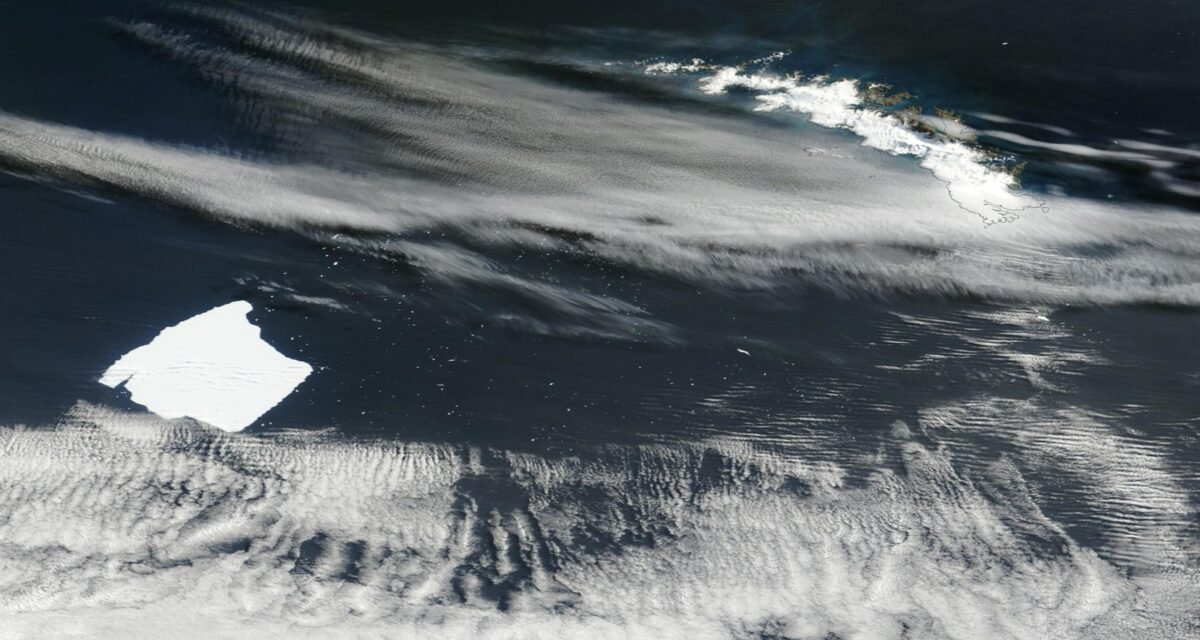
Icebergs like A23a are made of freshwater. As they melt into the salty ocean, they change the surrounding water — that freshwater carries nutrients that feed tiny marine organisms, which eventually support fish, whales, penguins and many other animals. So while the world’s largest iceberg was disappearing, it was also becoming part of the ocean ecosystem.
A23a broke away from Antarctica’s Filchner Ice Shelf in 1986, covering around 3,500 square kilometres — bigger than Goa and roughly twice the size of London — with a weight estimated close to one trillion tonnes. It stayed stuck on the seabed in the Weddell Sea for almost three decades before finally breaking loose in 2022 and drifting more than 2,300 kilometres into the South Atlantic.
Scientists studied how it moved, why it stayed stuck for so many years, and what happened as it slowly broke apart, with every stage offering new clues about ocean currents, rising temperatures and the changing Antarctic environment. Research ships even travelled close to the iceberg to collect water samples around it.
By March this year, A23a had shrunk to just 170 square kilometres, and by April, nothing was left big enough to spot from space. Another giant iceberg, D15a, has now taken over as the world’s largest.
Image: Wikimedia Commons/by NASA MODIS Land Rapid Response Team


Leave a Reply