India’s textile exporters just got a tariff break: here’s what changes now
India's new free trade agreement with the UK has removed tariffs of up to 12% on textile exports, putting Indian manufacturers on equal footing with Bangladesh and Vietnam in the British apparel market.
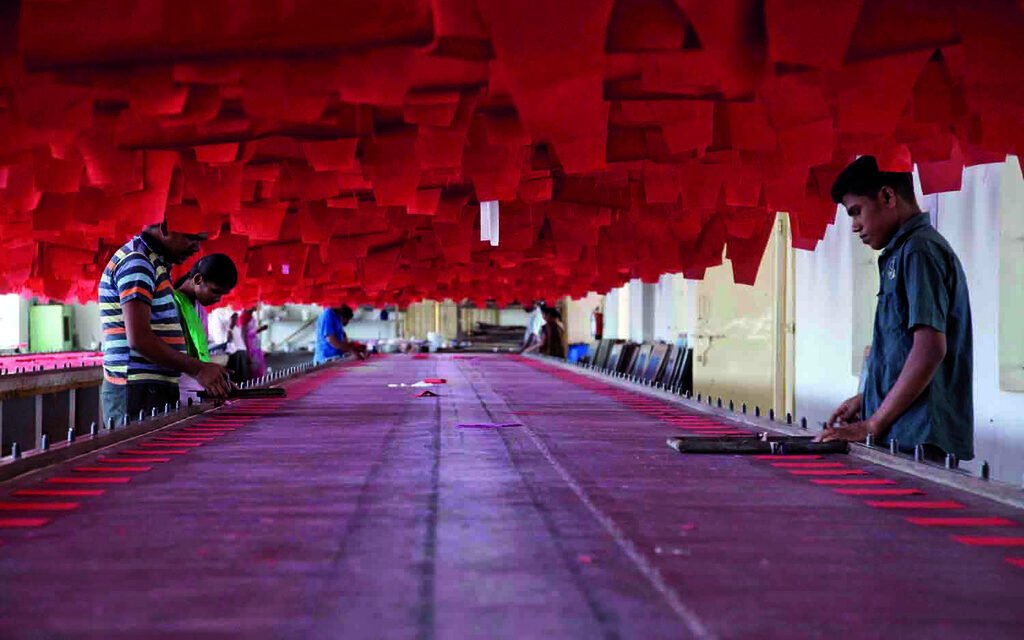
A new free trade agreement between India and the United Kingdom came into force on Wednesday, eliminating tariffs of up to 12% on Indian textile exports and bringing the country to tariff parity with competitors such as Bangladesh and Vietnam in the UK apparel market.
Prabhu Dhamodharan, convener of the Indian Texpreneurs Federation, said the deal is already creating a demand pull among UK buyers. ‘Unlike some previous deals, Indian exporters have long-standing relationships with buyers in the UK, including for brands and supermarkets such as Primark, Next, Tesco, M&S and small brands and can ramp up exports immediately,’ he said, adding that inbound requests and trial orders are picking up as buyers grow wary of supply concentration and look for more politically stable sourcing options.
Dhamodharan said Indian exporters, who currently hold a 6% share of the UK’s apparel imports, could see that share roughly double over the next four to five years as the tariff advantage takes hold. Medium and small-scale companies are already evaluating incremental automation technology and could move on capacity addition and modernisation once order visibility becomes clearer, he added.
Even with the tariff relief, industry executives caution that India’s textile sector still competes on cost with fragmented supply chains, longer lead times and a lack of manufacturing scale. Higher input costs, including man-made fibre and cotton fabric prices, along with relatively low labour productivity, continue to weigh on export competitiveness.
One medium-scale exporter, speaking on condition of anonymity, said the cost gap with rival exporting nations can run as high as 20-30%, driven mainly by higher man-made fabric costs, and called for government incentives for the domestic MMF ecosystem and a stronger cotton supply chain.
Hitesh Jain, a strategist at Yes Securities, struck a more cautious note, saying the textile sector is less likely than industries like auto or pharma to convert preferential market access into sustained export growth, citing structural challenges and the gains Vietnam and other countries have already made from the ‘China plus one’ shift in global sourcing.
Wikimedia Commons/by Fabrics for Freedom



Leave a Reply