These solar cells are lighter and cheaper, but they don’t last as long
Japan's printed perovskite solar cells cost less to manufacture and weigh far less than silicon panels, but currently have shorter operating lifespans.
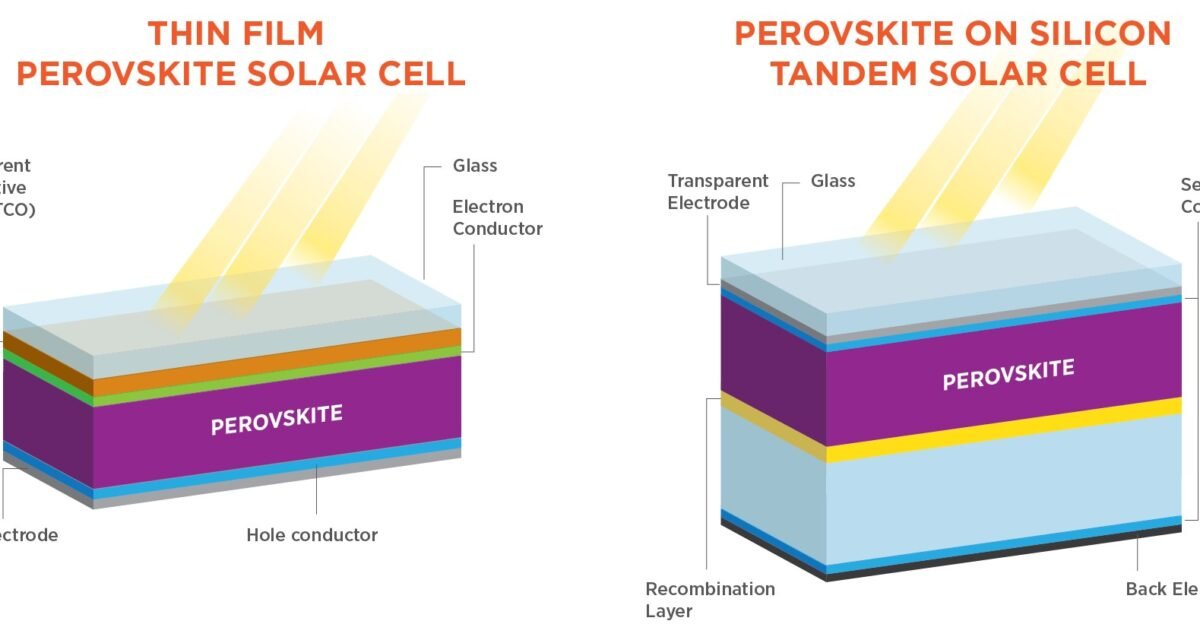
Rather than cutting and assembling individual silicon wafers, manufacturers in Japan are printing successive ultra-thin layers of perovskite onto continuous rolls of flexible material, a process that resembles industrial newspaper printing far more than traditional solar panel production.
The shift in manufacturing has real business implications. Less raw material is required, factories can operate more efficiently, and the finished products are dramatically lighter than glass-covered panels. Transport becomes easier, installation less labour-intensive, and structural requirements considerably lower, according to Japan’s Agency for Natural Resources and Energy.
The technology is not without trade-offs. Perovskite cells generally have shorter operating lifespans than established silicon panels, particularly when exposed to heat and moisture over long periods. Yet progress has been swift, with encapsulation and protective coating technologies continuing to improve durability.
Japan is also one of the world’s leading producers of iodine, an essential ingredient in many perovskite solar cells, according to the Institute for Energy Economics and Financial Analysis. Building a domestic perovskite industry could strengthen the country’s renewable energy supply chain, though commercial success will still depend on scaling production and improving long-term competitiveness. Japan aims to commercialise the technology over the coming decade.
Image: Wikimedia Commons/by National Renewable Energy Laboratory



Leave a Reply