900 new dark stores later: India’s quick-commerce war is now a turf fight
India's top five quick-commerce companies added close to 900 dark stores between April and July 2026, but most of the growth landed in pincodes that already had delivery coverage.
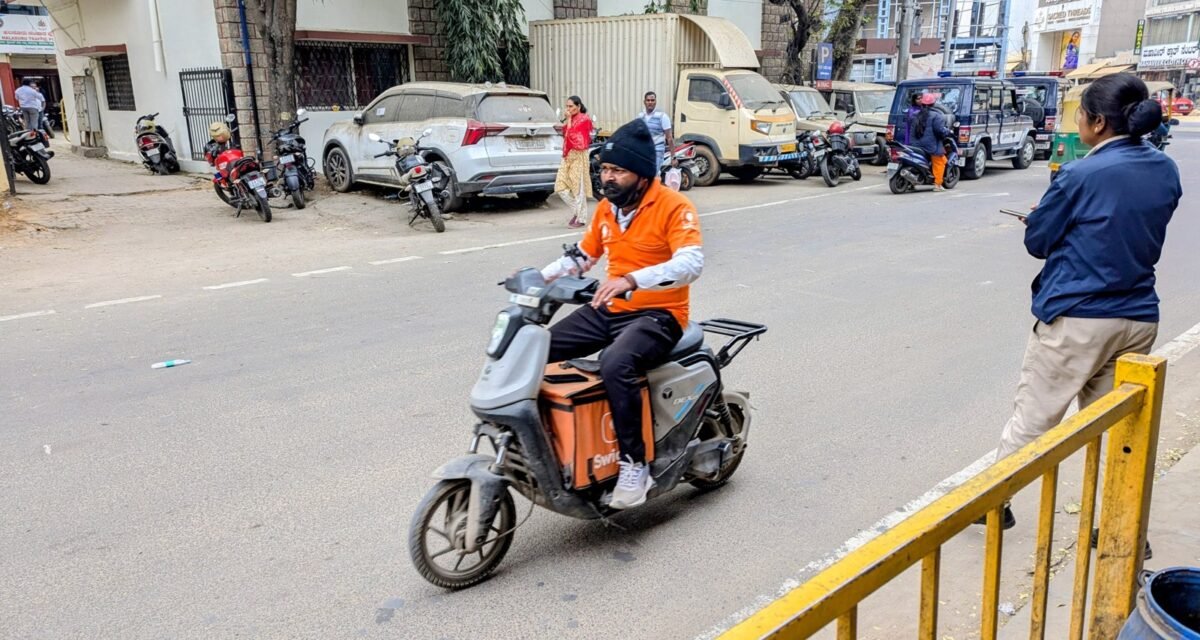
India’s quick-commerce operators are no longer racing to unlock new neighbourhoods. Increasingly, they are racing each other inside the same ones. Between April and July this year, the country’s five largest players added close to 900 dark stores between them, according to estimates from equity research firm Bernstein, with Blinkit, Flipkart Minutes and Amazon Now leading the build-out.
Eternal-owned Blinkit added 289 new stores, taking its total network to 2,511. Walmart-backed Flipkart Minutes added 262 stores to reach 1,003, while Amazon Now added an estimated 250 stores, nearly doubling its footprint to 600-700 locations. Between them, Amazon and Flipkart’s newer quick-commerce arms accounted for more than half of all the additions industry-wide. IPO-bound Zepto added a comparatively modest 90 stores to reach 1,345, while Swiggy Instamart’s network stayed almost flat at 1,187.
Across the five companies, the total dark store count rose from roughly 5,750-5,850 in April to about 6,650-6,750 by July. But the number of unique pincodes served grew by only 152, to 2,722. In other words, most of the nearly 900 new stores opened in areas that already had quick-commerce coverage rather than pushing into fresh territory.
The squeeze is most visible in India’s metros, which now host about 4,300 dark stores combined — well above the roughly 3,600 that Bernstein estimates the metro market can profitably sustain. Overlap between rivals has also intensified: in April, all five companies were present together in 26% of metro pincodes; by July, that figure had climbed to 44%.
Satish Meena, founder of Datum Intelligence, said Amazon and Flipkart’s push into quick commerce is about more than delivery margins. Frequent grocery orders bring users back to the app regularly, and once that habit forms, customers often start buying beauty products, electronics and fashion through the same platform. ‘Habit is the real prize,’ Meena said. ‘It is about the top 50-60 million wallets and about which app owns their daily habit.’
Reliance’s JioMart is pursuing a different playbook, leaning on its existing retail footprint rather than building dark stores from scratch. The company reported that JioMart’s average daily grocery orders rose 116% year-on-year in the June quarter, with its service now reaching about 5,500 pincodes and more than 2,500 Reliance Digital and Reliance Fashion & Lifestyle stores linked to its two-hour delivery option. Angshuman Bhattacharya, partner and national leader for consumer product and retail at EY-Parthenon India, noted that multiple dark stores in one pincode do not automatically signal overcapacity, since a single pincode can span 8-10 sq km — though he added that new entrants may now face a longer road to profitability.
Wikimedia Commons/by SerChevalerie



Leave a Reply