This biotech startup just printed a kidney 400km above Earth
Auxilium Biotechnologies has bioprinted kidney tissue in orbit for the first time, using microgravity aboard the International Space Station to build tissue that returned to Earth via a SpaceX Dragon capsule on 17 June 2026.
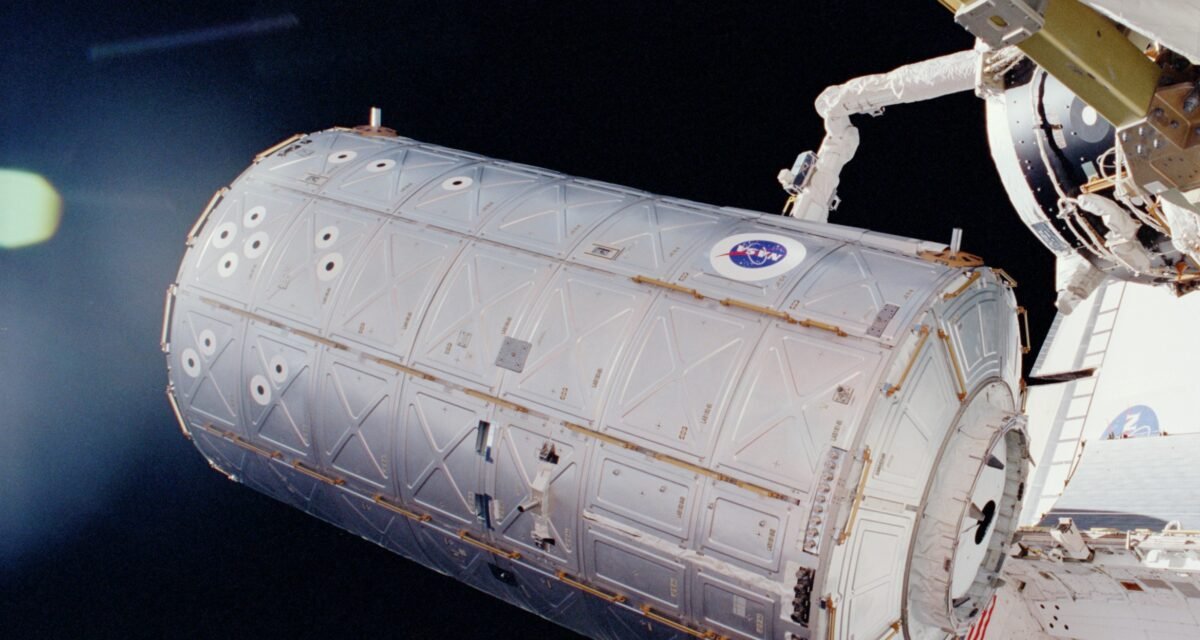
A California biomanufacturing company just did something no one else has managed: it grew human kidney tissue in orbit. Auxilium Biotechnologies, working with the Wake Forest Institute for Regenerative Medicine, used its AMP-1 bioprinter aboard the International Space Station to produce liver and kidney tissue in a microgravity environment for the first time, according to the mission’s results.
The materials returned safely to Earth in a SpaceX Dragon capsule on 17 June 2026, closing out a mission that Auxilium describes as proof that space-based organ manufacturing has moved past the experimental stage. Alongside the liver and kidney tissue, the AMP-1 platform also produced cartilage samples for orthopaedic use and 28 implants designed to repair damaged nerves.
Space-based bioprinting is not new — in 2018, Russian cosmonaut Oleg Kononenko tested a device called the ‘Bioprinter Organ.Aut’ aboard the ISS, using a magnetic field to assemble cartilage cells. But Auxilium’s mission marked the first attempt at this kind of diverse, multi-tissue production in a single flight, with kidney tissue produced in orbit for the first time.
‘The ability to produce different types of tissues alongside clinically relevant medical products demonstrates both the versatility and scalability of our technology,’ said Isac Lazarovits, Auxilium’s Vice President of Engineering, in a statement.
Antony Atala, director of the Wake Forest Institute for Regenerative Medicine, said the appeal of microgravity comes down to how cells behave without weight pulling on them. On Earth, cells inside a printed tissue structure can cluster unevenly or settle in the wrong places, which can stop the tissue from functioning correctly. In orbit, that problem disappears.
Auxilium co-founder Jacob Koffler said scientists on Earth have never found a reliable way to control exactly where cells sit inside a structure — something microgravity makes possible. He expects the next phase of the field to focus on smaller tissue patches capable of repairing damaged organs, such as the liver, rather than full replacement organs. ‘It’s going to take some years until we get to the clinic,’ he said, ‘but it’s important to start building that framework now.’
Image: NASA/Wikimedia Commons



Leave a Reply