Budget phones vanish: India’s smartphone sales crash 10% in a single quarter
India's smartphone shipments fell 10% year-on-year in the June 2026 quarter, the steepest quarterly decline in three years, driven by a collapse in budget-phone sales.
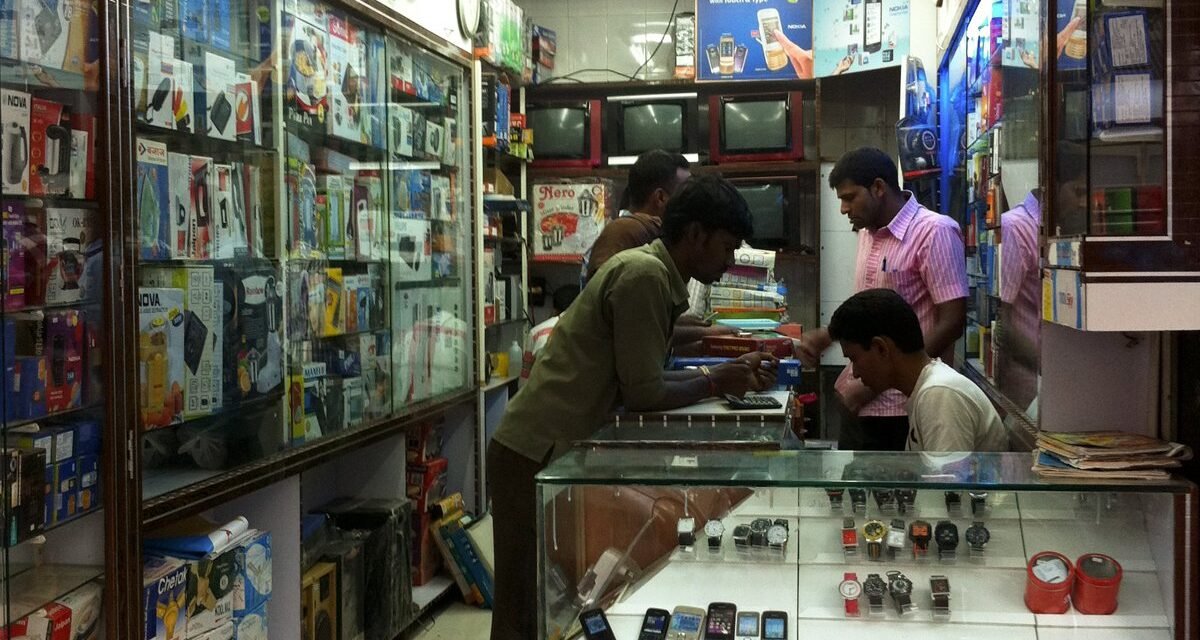
India’s smartphone market just posted its worst quarter in three years. Shipments fell 10% year-on-year in the June quarter, the sharpest quarterly decline since the January-March period of 2023, according to research firm Counterpoint. The slide was not spread evenly across the market — it was concentrated almost entirely at the bottom.
Phones priced below Rs 15,000, the segment that drives the bulk of India’s phone volumes, saw sales plunge 45% from a year earlier. That collapse hit Chinese smartphone brands hardest, since most of them lean heavily on entry- and mid-range devices to move volume. Their combined market share fell to its lowest level for an April-June quarter since 2020.
Vivo still finished on top with a 17.8% share, even though its own sales fell by double digits. Oppo held third place at 13.6%. Xiaomi, including its Poco sub-brand, slipped to fourth with 13.4%, and Realme rounded out the top five at 10%. Counterpoint senior analyst Prachir Singh said Chinese brands’ heavy exposure to the entry- and mid-tier segments dragged their overall share to its lowest level for a second calendar quarter running since 2020.
The root cause, according to Counterpoint, is memory. Chip prices have risen nearly four-fold since September 2025, forcing manufacturers to raise smartphone prices multiple times through the year — average prices were up about 15% by the end of the June quarter. Xiaomi, Poco and Realme all recorded sales declines as repeated price hikes on their affordable line-ups cooled demand, while Oppo leaned on stronger sales of devices priced above Rs 20,000 to soften the blow.
To cope, several brands have widened their 4G portfolios in the affordable segment, betting that price-sensitive buyers will take a cheaper 4G phone over a pricier 5G one until component costs come down. Samsung was the lone top-five brand to grow, up 2% year-on-year to a 17.6% share, narrowing the gap with Vivo, while Apple’s shipments dipped 3% as strong iPhone 17 demand ran into supply constraints and inventory shortages.
Higher up the price ladder, the story was very different. Sales of phones above Rs 45,000 stayed largely stable, propped up by financing options such as NBFC and credit card EMI plans that lowered the upfront cost for buyers — financing accounted for more than half of all mainline smartphone sales during the quarter, Counterpoint said.
Image credit: Wikimedia Commons/by Victorgrigas



Leave a Reply