One Hacked Warehouse Firm Just Disrupted Pocky, KFC and Sushi Across Japan
A cyberattack on Japan's leading refrigerated warehouse operator Nichirei has disrupted deliveries for Ezaki Glico, KFC Japan and Kura Sushi.
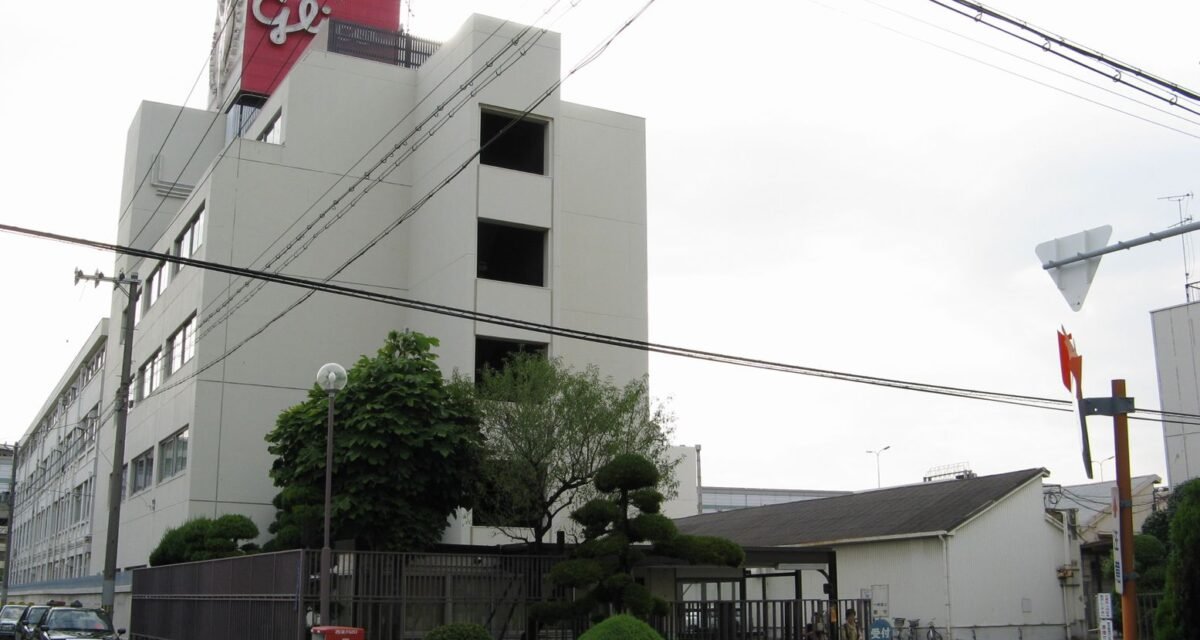
A single cyberattack on a refrigerated logistics company has been enough to rattle some of Japan’s biggest food brands at once. Nichirei, the country’s leading frozen food supplier and refrigerated warehouse operator, disclosed on Tuesday that a cyberattack had disrupted operations across its subsidiaries, including product deliveries, and the ripple effects have already reached ice cream maker Ezaki Glico, fast-food chain KFC Japan and the conveyor belt sushi chain Kura Sushi.
Ezaki Glico, the company behind the popular Pocky snack line, said on Wednesday that shipments of some of its ice cream products had been delayed because part of its stock is stored inside Nichirei’s refrigerated warehouses. The company has not disclosed the financial impact of the disruption, but local media reported that up to 20 per cent of its ice cream products had been affected. Glico said it is now relying on alternative supply arrangements to limit the damage, particularly in western Japan, where demand for ice cream stays high through the summer heat.
KFC Japan has warned that some of its restaurants could run short on supplies, which may force temporary menu changes or even short-term store closures if the disruption drags on. Kura Sushi confirmed that some of its outlets in western Japan are already experiencing delays in receiving products from Nichirei’s network. According to local media reports, the disruption has also touched major supermarket chains, pastry manufacturers, and even dining halls at elderly care centres that rely on the same cold-chain logistics.
Nichirei said it plans to gradually restore its services starting July 17, though it has not given a full timeline for when deliveries will return to normal across all affected partners. Until then, businesses across Japan’s food supply chain are working around a single point of failure that briefly took out access to some of the country’s most recognisable snack and restaurant brands.
This is not an isolated case. In 2025, Japanese beer maker Asahi suffered a ransomware attack that disrupted its operations for months and forced the company to process orders manually; the Russian-linked hacker group Qilin later claimed responsibility, according to Japanese media. Retail brand Muji also suspended its online shopping services in Japan after its delivery partner Askul was hit by a separate cyberattack, underlining how a single vendor’s security failure can now cascade across an entire consumer supply chain.
[Source: Wikimedia Commons/by Bakkai]


Leave a Reply