Why perfumers spent decades reverse-engineering the smell of a beaver gland
Castoreum, a beaver secretion once used in premium perfumes, has largely disappeared from modern fragrances, replaced by lab-made synthetic versions.
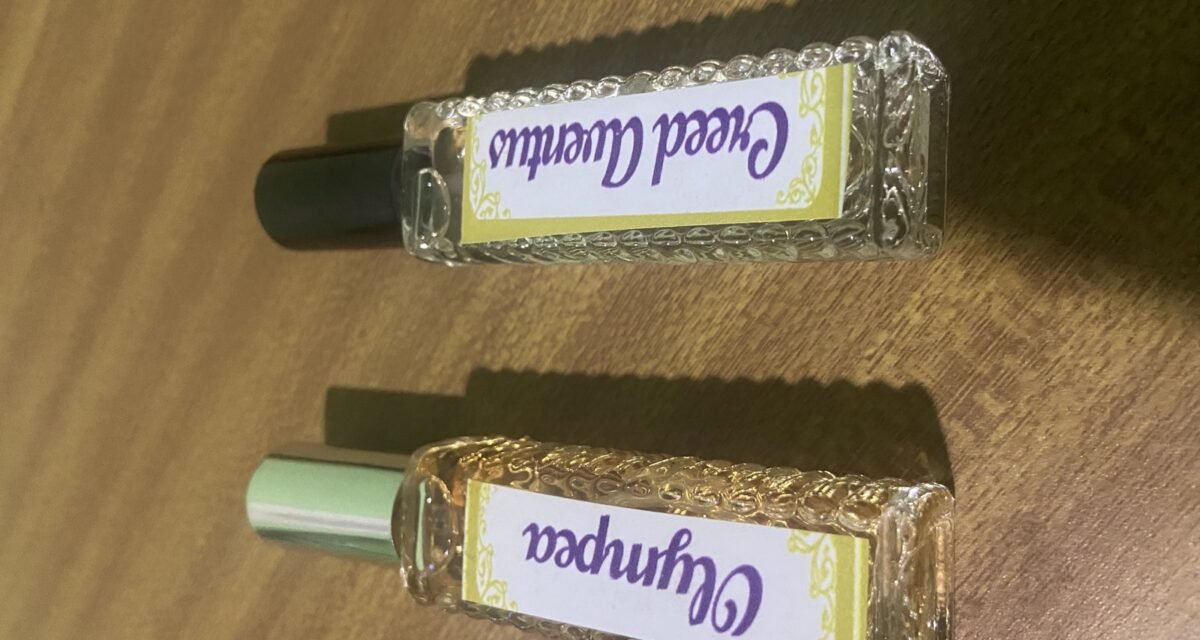
Nearly all fragrance ingredients found in expensive perfumes are synthetic today, the result of decades of work by chemists reverse-engineering natural scents in a lab, molecule by molecule. One of those original ingredients was castoreum, a beaver secretion that sits in the castor sacs located near the tail, which beavers use along with urine to mark their territory.
Castoreum smells leathery, smoky and sharp, with birch tar notes, but when blended into a formula, it softens and becomes sensual. According to Vinniit Aroraa, an Indian perfumer and founder of RAD LVNG, some premium fragrances, including Chanel and Guerlain Shalimar, have used it.
Natural castoreum required killing the animal, which is a big part of why it has quietly disappeared from modern formulas. Aroraa explains that perfumers have spent centuries chasing the worst smells on earth because, diluted and blended just right, they turn into the very thing that makes people smell unforgettable.
Today, animals and trees used for such ingredients are too precious to be harmed, and strict laws are in place, meaning synthetic versions of castoreum and similar ingredients now sit in almost every bottle on the shelf.
Image: Wikimedia Commons/by MuslimDon



Leave a Reply